
Perth — The International Campaign to Abolish Nuclear Weapons (ICAN) Australia is deeply concerned about the risks to the local and wider community from both the AUKUS-linked Henderson Defence Precinct and the effective basing of US submarines at Stirling Naval Base.
The infrastructure expansion across Henderson and HMAS Stirling, combined with adjacent residential and housing developments, effectively establishes a major US naval base in Western Australia. This significantly elevates Perth as a high priority target if there is conflict.
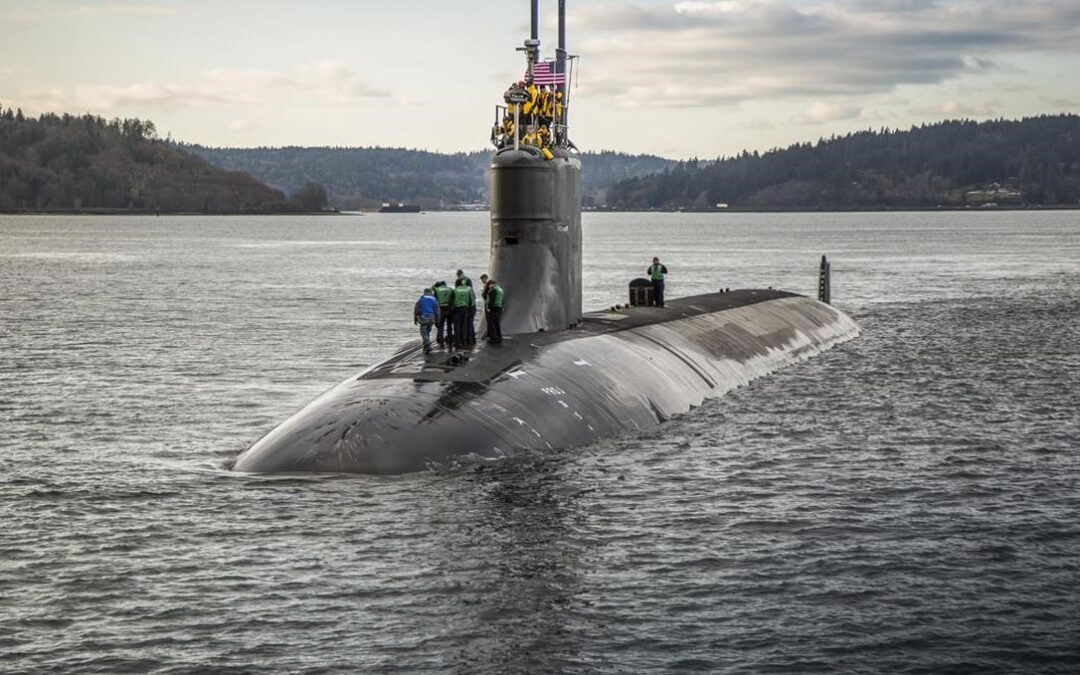
This situation becomes more critical from 2030 onwards, when potentially nuclear-armed U.S. Virginia-class submarines begin operating in Australia – a move that could directly breach our commitments under the South Pacific Nuclear Free Zone (Rarotonga) Treaty. Currently the Government does not ask if US platforms are carrying nuclear weapons and instead relies on the Trump administration to respect our treaty obligations. ICAN Australia believes Australians have a right to know and a right to say no.
Add to this the possibility of reactor accidents on nuclear-powered vessels. There can be no assurances of absolute safety and this should be addressed with appropriate community action plans for nearby suburbs so that real risks can be managed. This must also include dealing with the long-term hazards associated with the management and disposal of radioactive waste created by nuclear-powered submarines. Beyond routine low-level maintenance waste, the highly enriched uranium fuel used in nuclear submarine reactors will present a serious security and environmental threat for millennia.
“At the start of its life, a nuclear submarine’s reactor fuel is equivalent to 24 nuclear weapons, and even spent fuel contains enough to make 15,” said Dr. Margaret Beavis, Co-Chair of ICAN Australia. “Any disposal site will require high-level military security for thousands of years.”
First Nations communities have been repeatedly targeted to have this waste imposed on their country. Communities affected by British nuclear detonations in the 1950s continue to live with the ongoing health and environmental impact of the contamination of their land from.
“I am very concerned that there are so many unanswered questions about Australia acquiring nuclear powered submarines. For starters, where is the nuclear waste that will be generated going to be stored? We know better than anyone that there are serious implications to going nuclear,” said Karina Lester, ICAN Ambassador and Yankunytjatjara Anangu woman whose community is still affected by nuclear waste from British testing.
Federal and state leaders must stop glossing over the grave risks of hosting nuclear submarines in Australia. To be a responsible partner and good neighbour, Australia must uphold its obligations to a nuclear-weapon-free region and bolster this position by making good on the Labor Party’s commitment to sign the UN Treaty on the Prohibition of Nuclear Weapons.